Along the Oxford Road, towards the town centre in Reading, Berkshire, lies Oxford Road Primary School, a wonderful Victorian school building, brimming with youthful energy and curiosity. Recently, we visited the school to introduce a series of low-tech Widening Participation art activities to a group of students, who have been facing various challenges in their academic journey.
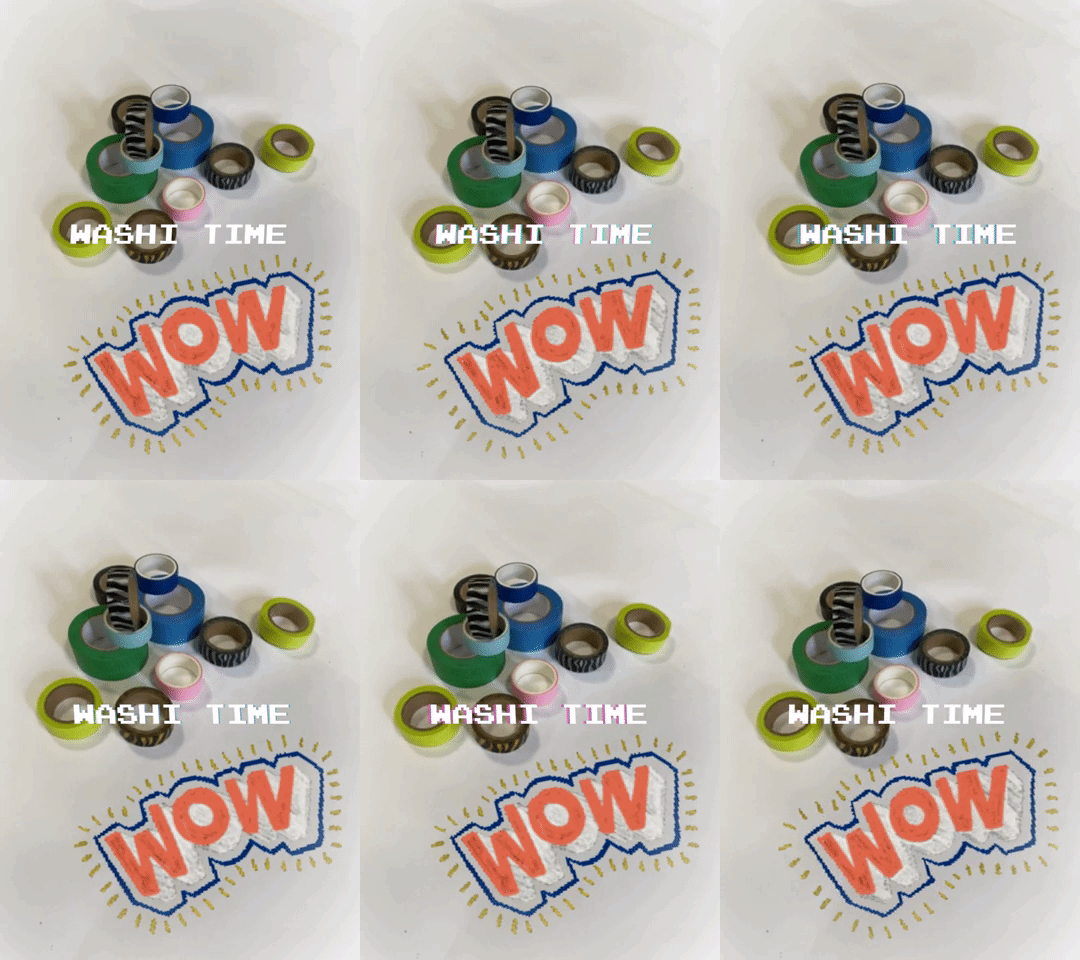
These activities were designed as a result of consultation sessions with stakeholders from the Wilson Primary and Oxford Primary Federation. Teachers and assistants were looking at how to provide a safe space for students to creatively engage with art and technology. Working alongside dedicated teaching assistants, we embarked on a journey of imagination and storytelling, equipped with nothing but brightly coloured ‘Washi’ Tape and limitless possibilities!
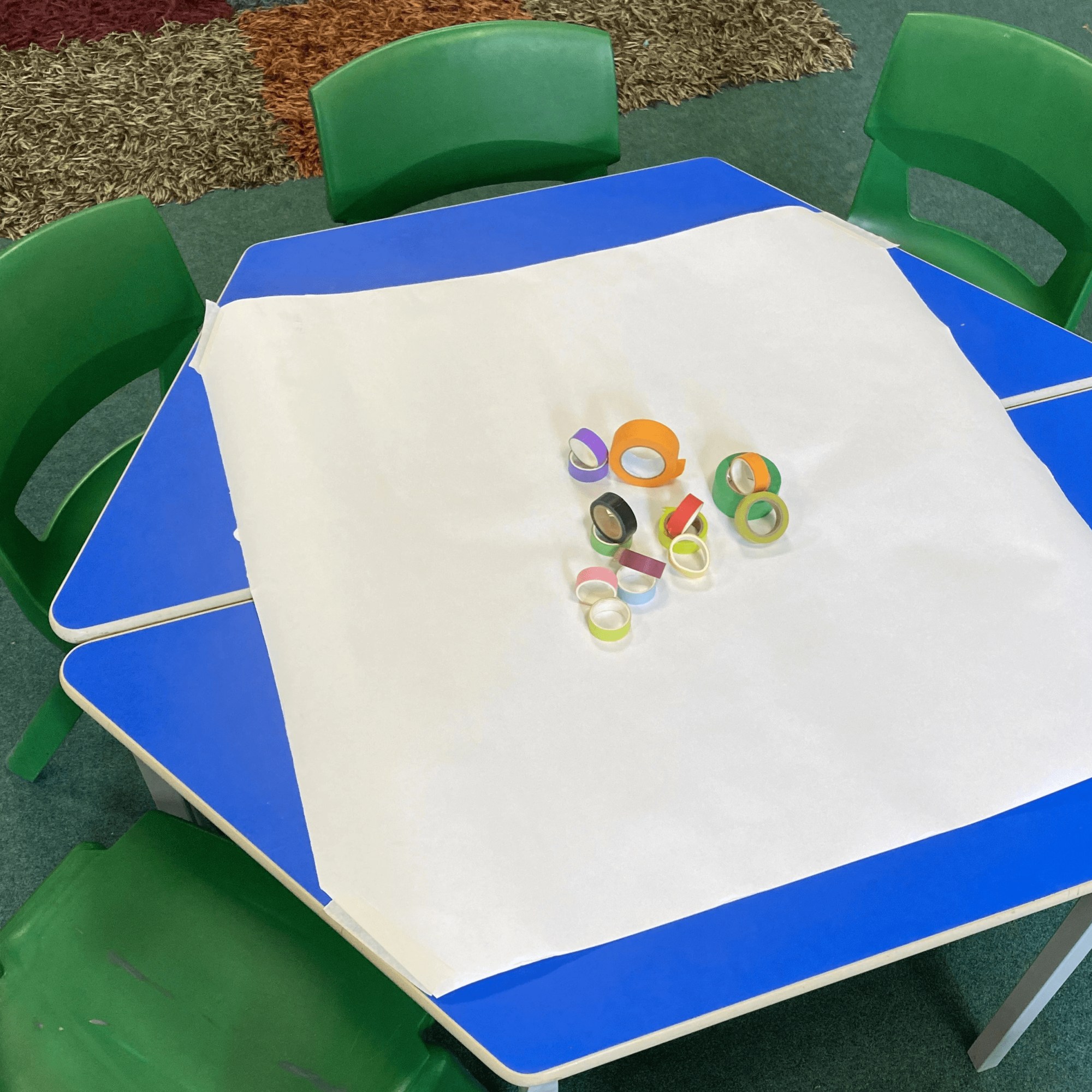

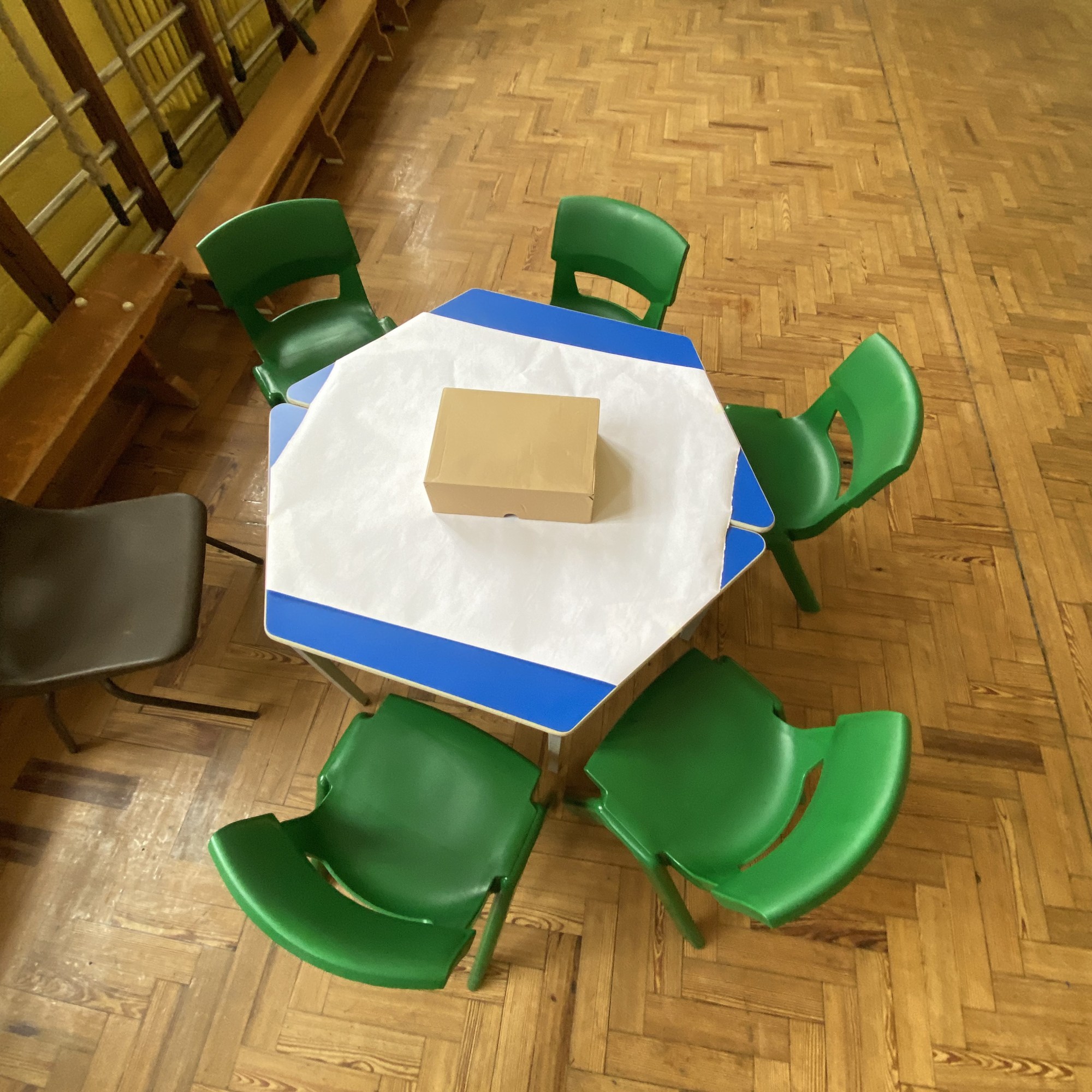


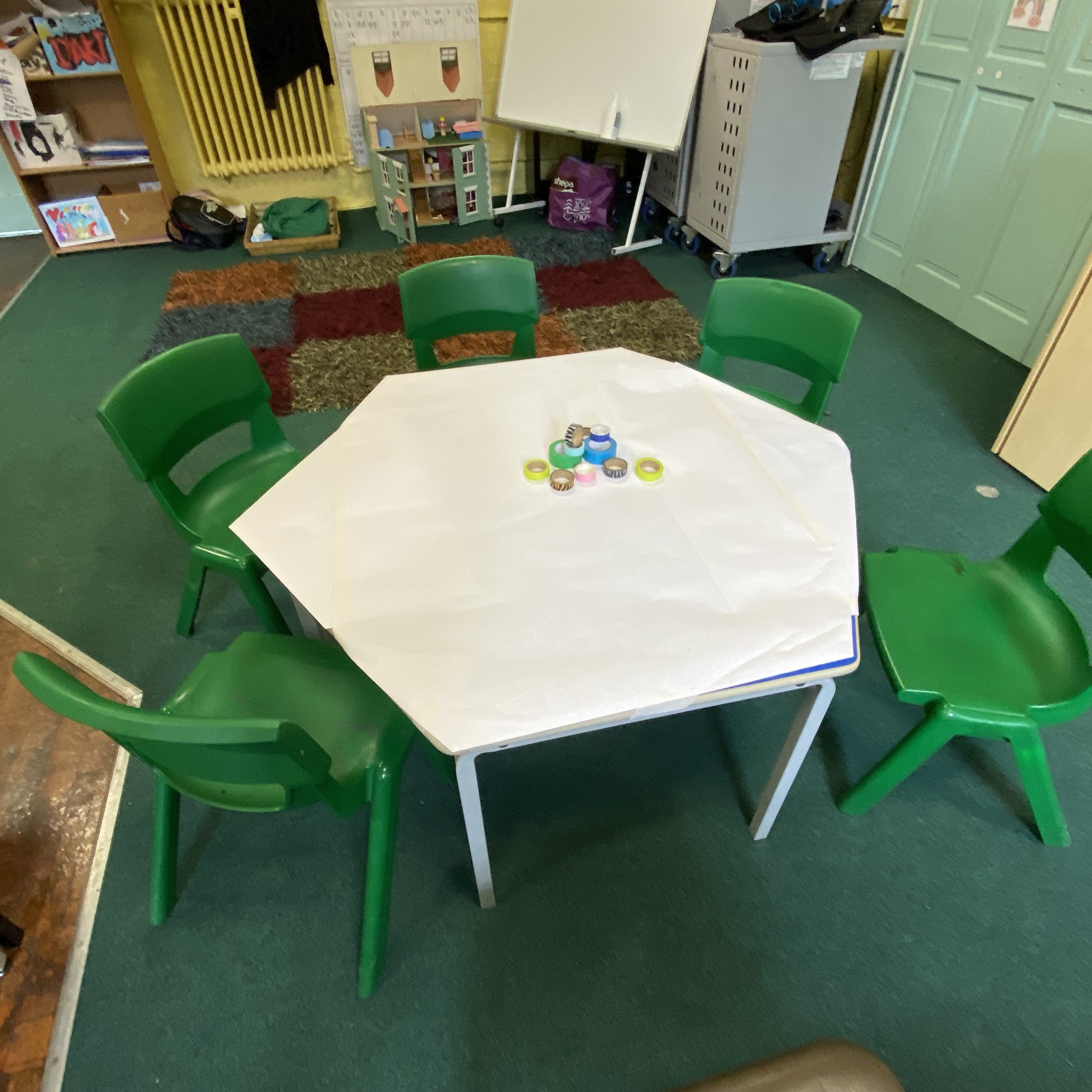

The sessions were intentionally unstructured, with no fixed outcomes or time limits. This helped create a relaxed, welcoming space where students could engage at their own pace. Without the pressure to produce a specific result, they felt more at ease to explore creatively. This kind of open-ended approach reflects constructivist ideas (Piaget; Vygotsky), where learning happens through doing and discovery. It also echoes Anna Craft’s concept of possibility thinking—giving young people the freedom to ask “what if?” and take creative risks.
One of the most effective tools we used was Washi tape—a simple, colourful, low-tack masking tape. It became an easy, playful way for students to start creating without the pressure of putting pen to paper. Just choosing colours, tearing, and sticking tape offered a sensory, hands-on entry point into the session. This aligns with the Reggio Emilia approach (Edwards et al.), which values open-ended materials and multiple forms of expression, often beyond traditional drawing or writing.

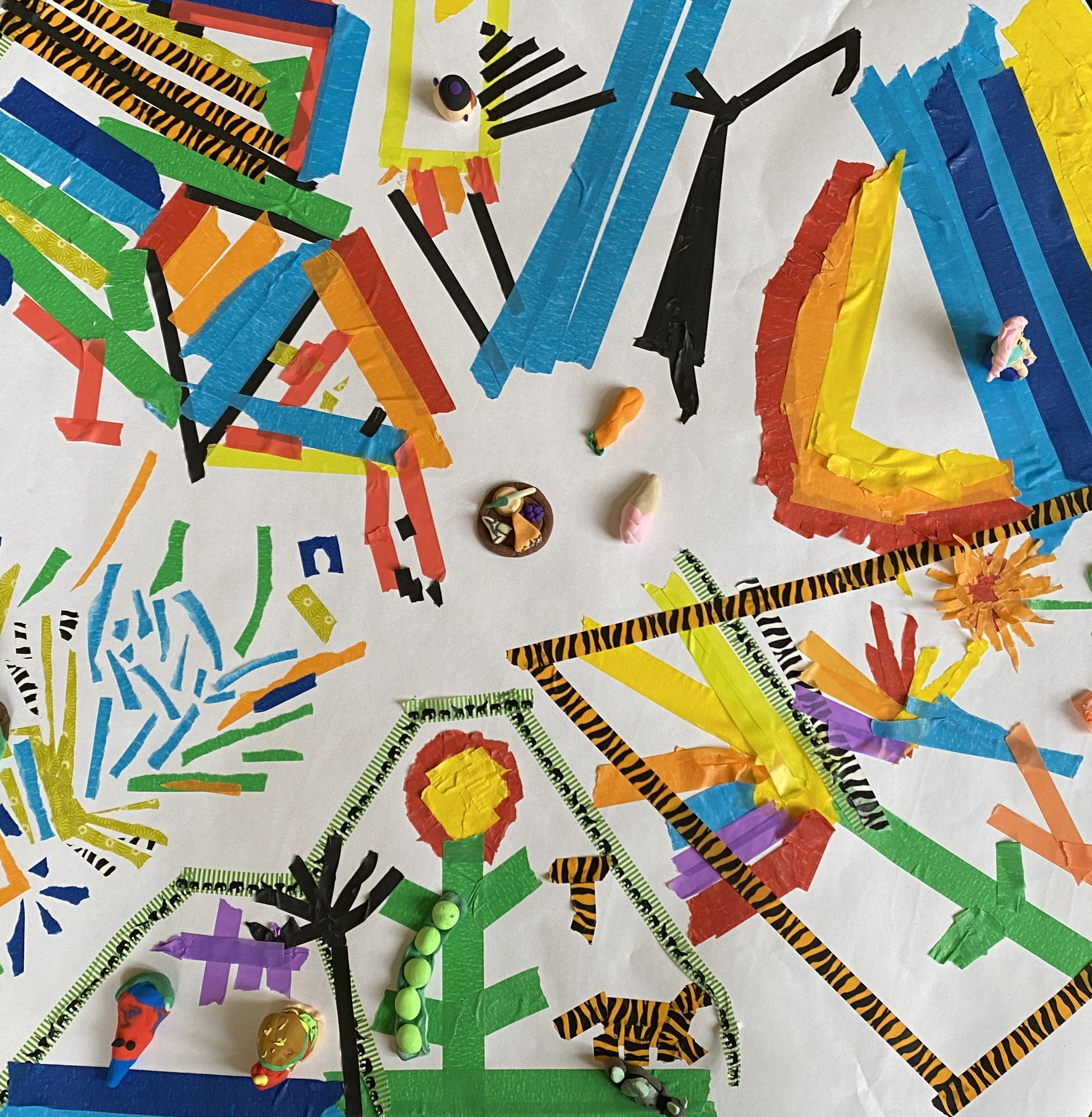


As the sessions progressed, the students started to tell stories, create characters, and compose imagery, all driven by the tape in front of them. The teaching assistants and I observed how the students’ stories interweaved and spread across the paper. It was incredible to see how a small strip of tape could transform into a river, a tiger, or even an enchanted forest in the hands of these young artists.

One key aspect of these sessions was the collaboration between the students and the teaching assistants. These teaching assistants often work as one-to-one support for the students, and the widening participation art activities created a positive and productive shared experience for all participants. They became co-creators in the imaginative worlds that unfolded before us, fostering a sense of camaraderie and shared creativity.
We kept students work on display as we welcomed each group. This led to one group creating characters that might inhabit the previous groups backgrounds. This worked as a way of ‘seeding’ a story and encouraged an indirect dialogue between groups that may not ordinarily interact creatively.


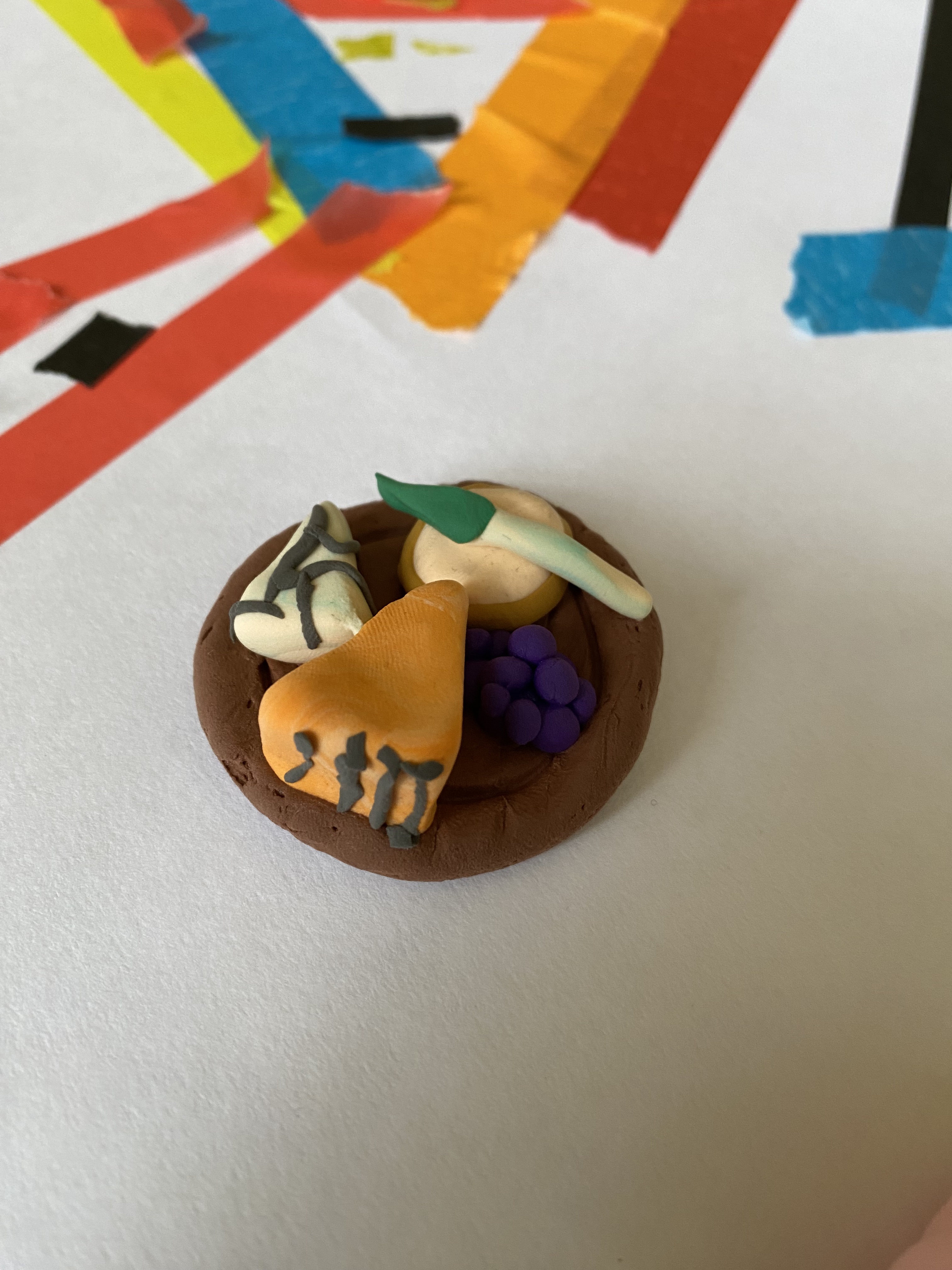
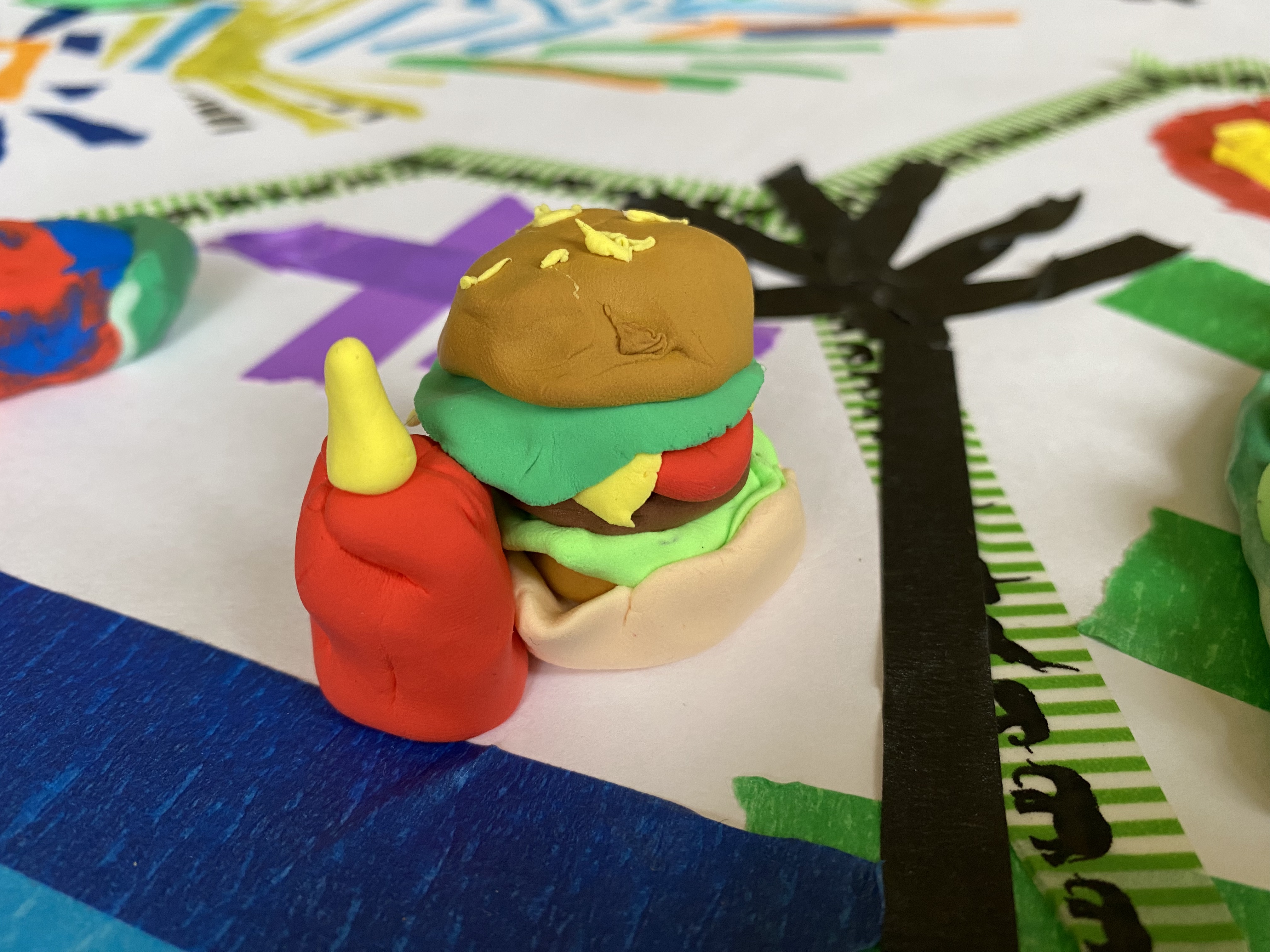
As the sessions overran, it was evident that the engagement levels were very high. The students asked when we were coming back again and what else they could do! This is really positive in terms of next steps when we can look towards extending the session times and introduce more technical equipment.

 ArtLab
Leave a comment